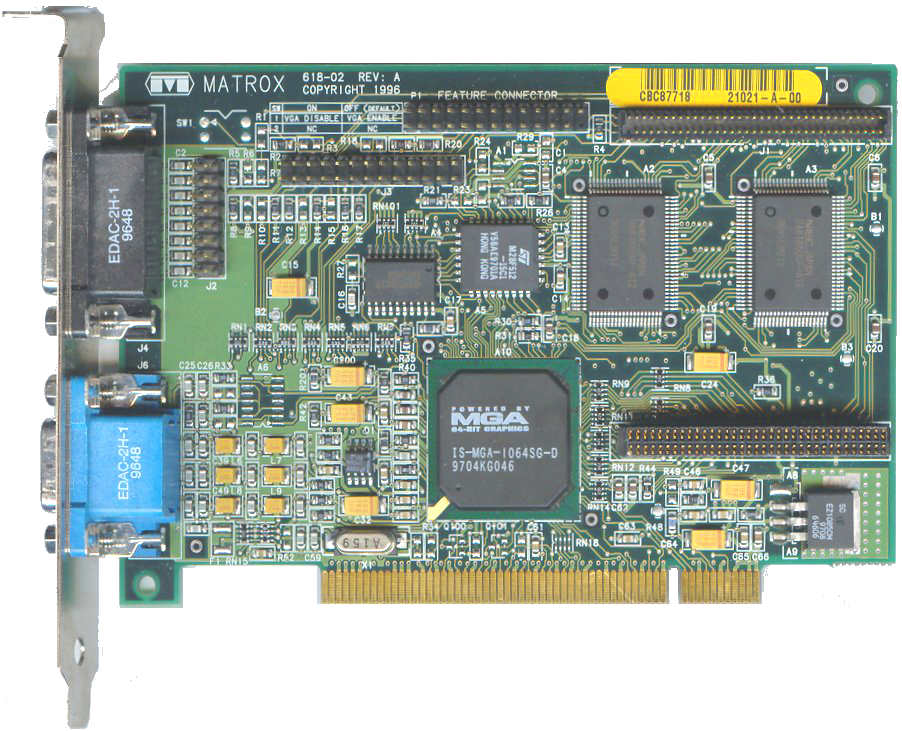
Matrox Mystique 220
The Mystique 220 was a mild refresh of 1996's Mystique card with the only difference being the faster internal RAMDAC, now at 220 MHz over the original's 170 MHz.
|
|
Released | August 1997 |
| Bus | PCI | |
| Chipset | MGA-1164SG ("Cyclone") | |
| Standards | Hercules, CGA, EGA, VGA, VESA VBE 2.0 in BIOS | |
| Memory | 2 MB or 4 MB SGRAM (64-bit), upgradable to 8 MB | |
| Ports | 15-pin DSUB (video out) 15-pin DSUB Rainbow Runner Studio port 26-pin VGA Feature connector Memory expansion headers |
|
| RAMDAC | 220 MHz | |
| Part # | MY220P/2/OEM (618-04) - 2 MB OEM variant MY220P/4I (644-03) - 4 MB variant MY220P/4N (644-03) - 4 MB variant MY220P/BIZ4I (644-03) - 4 MB variant MY220P/4BI/20 (644-03) - 4 MB variant MY220P/4BN/20 (644-03) - 4 MB variant MY220P/4G/20 |
|
| FCC ID | - | |
| Price | - | |
| See Also | Mystique, Millennium |

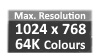
From a 2D perspective this put the Mystique 220 on par at XGA (1024 x 768) and higher resolutions with the original more expensive Millennium.
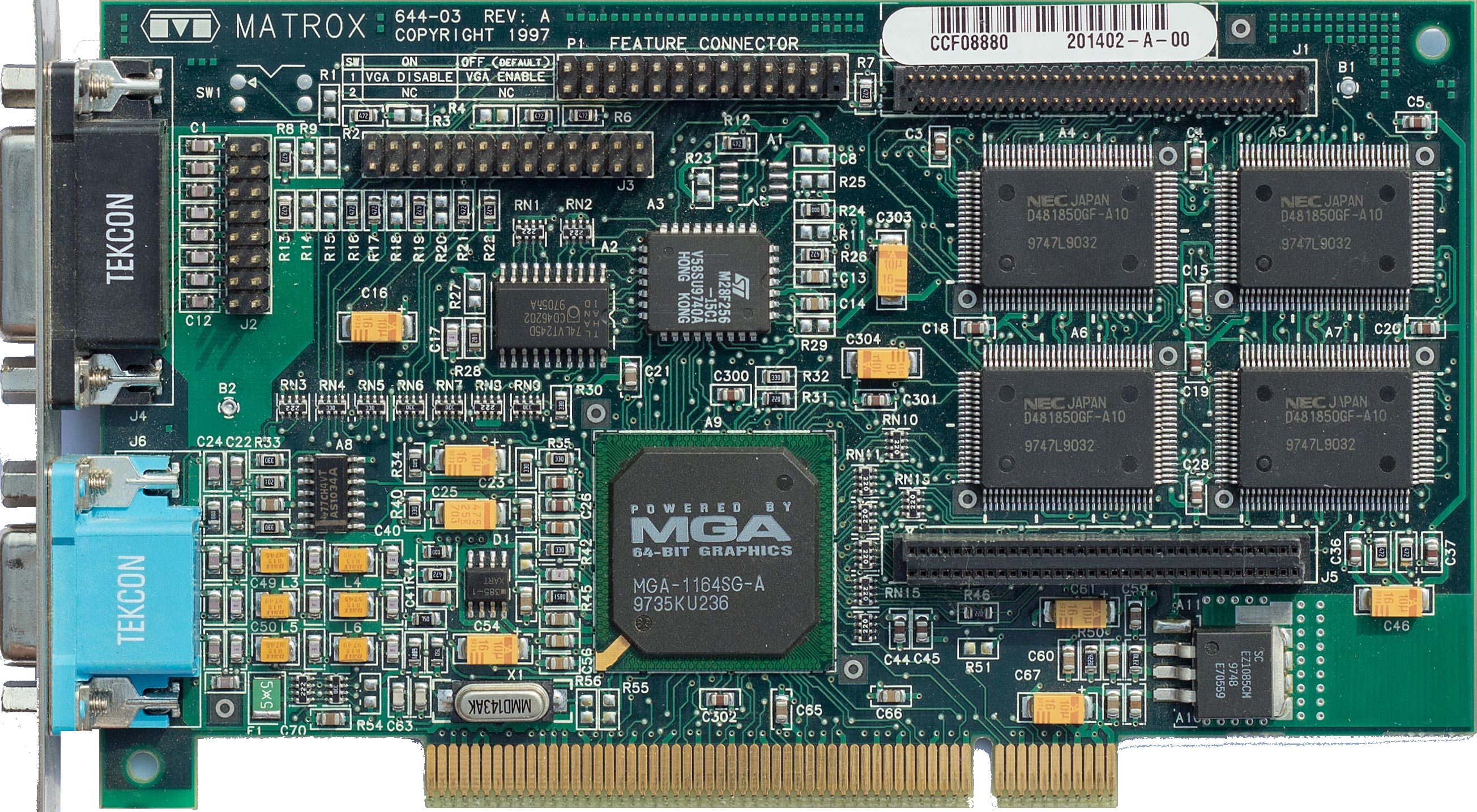
It is easy to spot a 220 over the original, with the main chip now coded "MGA-1164SG-A" ("Cyclone") instead of a 1064 ("Hurricane").
You could upgrade the memory of a 2 MB or 4 MB card by a further 4 MB with the addition of a Matrox memory expansion module (part # MGA-MYST/MOD2 or MGA-MYST/MOD2OE for 2 MB expansion, or MGA-MYST/MOD4 or MGA-MYST/MOD4OE for 4 MB expansion). As I understand it, these expansion cards were compatible with both the original Mystique and Mystique 220.
This card has good DOS, Windows 3.1 and Windows 95/98 support, though doesn't directly support OpenGL. It supports the following VGA / SVGA graphics modes:
| Resolution | Max. Refresh Rate (Hz) | Max. Colour Depth |
|---|---|---|
| 1600 x 1200 | 75 | 8-bit (256 colours) |
| 1280 x 1024 | 85 | 8-bit (256 colours) |
| 1152 x 864 | 75 | 16-bit (65,536 colours) |
| 1024 x 768 | 85 | 16-bit (65,536 colours) |
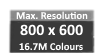
| 800 x 600 | 85 | 32-bit (16.7M colours) |
| 640 x 480 | 85 | 32-bit (16.7M colours) |
It's core clock ran at either 60 or 66 MHz with memory clocking at 90 or 99 MHz.
A Mystique 220 Business version was also released, though this only differed in what bundled software you got.
An OEM version was created for Compaq - this has 4 rows of pins for the two memory expansion connectors instead of the standard two on the top connector.
Tip: If you get frequent lock-ups or freezes disable the "Use Bus Mastering" feature under the device driver Settings tab. This Bus Mastering is present on all Mystique models and will increase your frame rates but unfortunately increases instability
Tip: There have been reports of issues running 3D with motherboards that use the Intel i815 and 440BX chipsets.
The Mystique 220 was discontinued in 1998, replaced by the G100 Millennium that ran on the dedicated AGP bus.
Summing Up: Not a great deal of difference from the earlier Mystique, just slightly faster so it's the same message here - great 2D quality and performance for a 1997 card. For 3D gaming, performance still just fractionally beat the latest S3 ViRGE/DX card [also from 1997] with 4 MB on both and ATI Mach 64 cards though 3D image quality was poorer due to its limited 3D feature set. If you have a 3dfx Voodoo 1 card, use that in conjunction with this for better 3D performance.
Board Revisions
The only known board revision for the Mystique 220 is A, with 618-04 for 2 MB variants and 644-03 for 4 MB variants. . All cards' part numbers start with MY220P (as opposed to MGA-MYST for the standard Mystique), then the number after the first slash indicates the onboard graphics memory (2 or 4). Matrox had various manufacturing sites for the card, including Canada, USA, and Ireland. Any characters after the memory identifier likely indicate this, or who the card was destined to be sold to (OEM, large retailer, etc).
Competition
In the Media
Setting it Up
I have no information on configuring the Mystique 220.
Downloads
Installation Guide For Millennium II and Mystique 220 |
Original Utility Disk Get in touch if you can provide this missing item! |
Video BIOS ROM Get in touch if you can provide this missing item! |
Windows 3.1 Drivers For Matrox Millennium/Millennium II, Mystique, Mystique 220, G100, G200 and G400 cards. |
Windows 95/98 Driver
For Millennium, Millennium II PCI/AGP, Mystique, Mystique 220, Productiva G100 and Millennium G200 cards. |
Windows 95/98 Drivers For Matrox Millennium, Mystique, and Mystique 220 cards. |
Windows 95/98 Driver For Millennium, Millennium II PCI/AGP, Mystique, Mystique 220, Productiva G100 and Millennium G200 cards. |
Windows 95/98 Driver For Millennium, Millennium II PCI/AGP, Mystique, Mystique 220, Productiva G100 and Millennium G200 cards. |
Windows 2000/XP Driver For Millennium, Millennium II, Mystique, Mystique 220 and G100/G200/G400/G450/G500 models. |
OS/2 2.1 and Warp Driver For MGA cards. |
Matrox Setup & Utilities For Millennium,
Mystique, Mystique 220, Millennium II, Productiva G100, Millennium G200,
Mystique G200, Marvel G200, Marvel G200-TV, Millennium G200 SD, and Millennium
G200 LE. |



More Pictures